
About Osteopathy
What is Osteopathy?
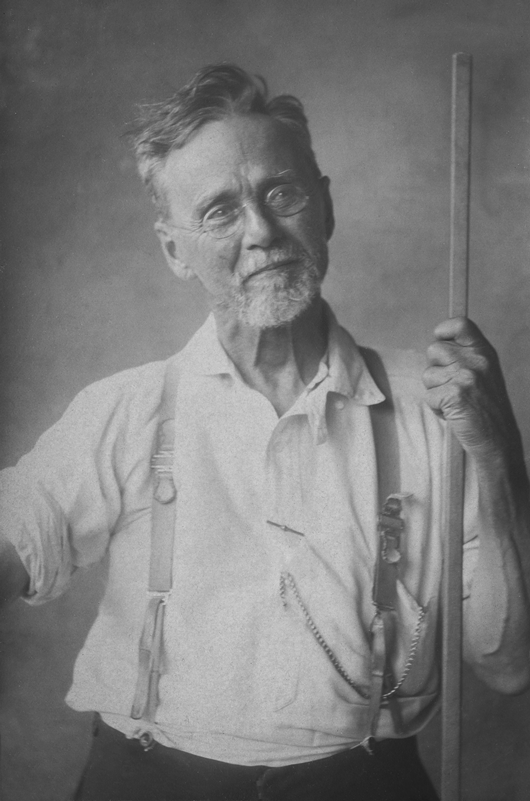
Osteopathic medicine describes a tradition of medicine as taught by A.T. Still, MD, DO (1828–1917). Frustrated by the limitations of conventional medicine, Dr. Still developed a revolutionary approach to health rooted in natural law — one that recognized the body not as a collection of separate parts, but as a unified, intelligent whole. At the heart of osteopathic philosophy is a profound respect for the body's innate capacity to heal itself. Dr. Still understood that mind, body, and spirit are not separate systems — they are one living whole, inseparable in both function and healing.
He described osteopathy as the science of understanding the human body so completely — its structure, its function, its chemistry and inner intelligence that we can discover within the body the resources it needs to heal. Through treatment that works in harmony with the body's own laws, using the body’s intrinisc healing forces, the body can recover from disorganization and disease and return to its natural equilibrium of health and strength.
Applying this philosophy to the practice of medicine, Dr. Still developed a hands-on approach called osteopathic manual treatment, which uses carefully trained touch to assess the body's tissues, sense where its natural Health was being impeded, and restore the conditions for healing. Treatment involves working with all of the body's tissues — muscles, bones, nerves, fascia, the lymphatic system, and even the embryological blueprint from which the body was formed, that quiet original map still present in every cell.
Osteopathy was born in the United States in 1874 and remains the oldest continuously practiced form of modern manual medicine to originate here. Its influence on the broader world of healing has been profound. Many widely practiced bodywork traditions, including craniosacral therapy, Rolfing, and chiropractic, grew from osteopathic roots. As osteopathic physicians, we bring the full depth of that original tradition to every treatment.

What is a DO?
A Doctor of Osteopathic Medicine (DO) is a fully licensed physician trained to diagnose and treat the full spectrum of human illness. Like MDs, DOs complete four years of medical school, followed by residency training in any medical specialty, and hold full prescribing and surgical privileges in the United States. Both are licensed by the same state medical boards.
What distinguishes osteopathic training is an additional 200+ hours of instruction in osteopathic manual treatment — and a philosophical foundation that treats the whole person, not just the presenting complaint.
For patients, this means a physician who brings both the full scope of medical training and the depth of hands-on osteopathic care to every visit.
What conditions does osteopathy support?
Because osteopathy recognizes the body's innate ability to heal itself, virtually any condition can benefit from treatment — acute injury, chronic illness, routine maintenance, preventive care, and longevity optimization as well. When the body's structures are free to move and communicate as designed, everything works better — and for longer.
Musculoskeletal & Pain
Neck & back pain
Scoliosis
Sciatica
Pinched nerves
Plantar fasciitis
Shoulder, wrist, hip & ankle conditions
Fibromyalgia
Complex regional pain syndrome
Sports injuries
Post-surgical recovery
Trauma & accident recovery
Head, Jaw & Neurological
Headaches & migraines
Concussions & head injuries
Post-concussion syndrome
TMJ disorder
Tinnitus
Nervous system dysregulation
Long Covid
Chronic fatigue
Sinus & ENT
Sinus infections & congestion
Ear infections
Respiratory & Cardiovascular
Asthma & breathing difficulties
Respiratory dysfunction
Circulatory support
Gastrointestinal
Constipation
Heartburn & reflux
Irritable bowel syndrome
Rheumatological & Immune
Autoimmune conditions
Rheumatoid arthritis
Chronic inflammatory conditions
Pregnancy & Postpartum
Pregnancy-related pain
Heartburn & nausea in pregnancy
Postpartum depression and recovery
Newborn & Pediatric
Latching & sucking difficulties
Plagiocephaly & Torticollis
Reflux
Birth trauma
Wellness & Longevity
Routine maintenance
Sleep support
Stress & nervous system regulation
Longevity optimization
If you're wondering whether osteopathy might help you — it very likely can. Reach out via the contact form or book a free phone consultation and we can communicate further to assess if osteopathic manual treatment would be appropriate for you.